
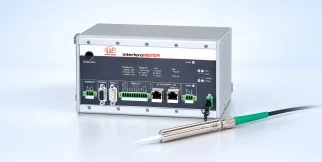
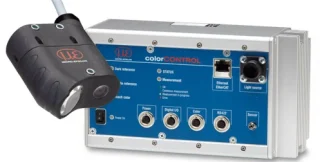
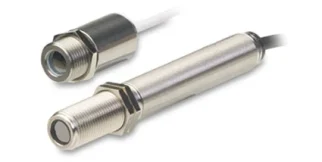
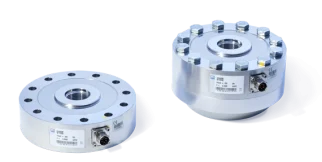

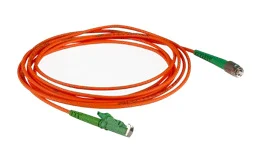
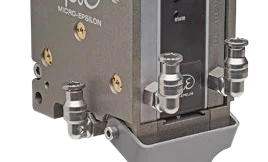
















FS65ACC
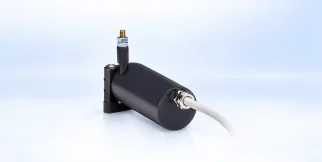
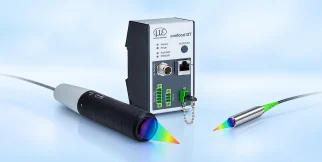
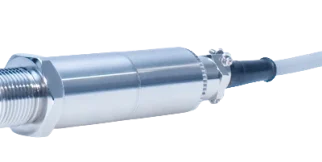
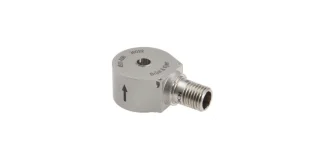
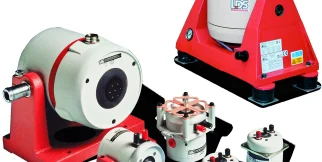
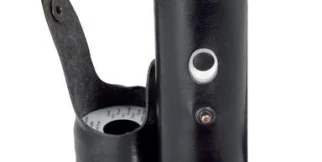
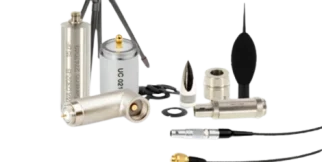
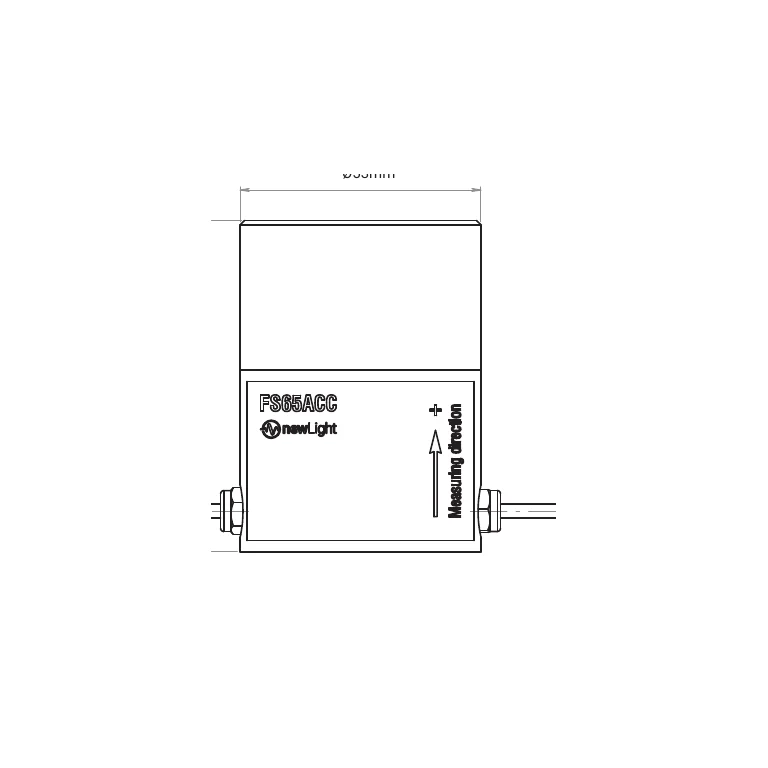
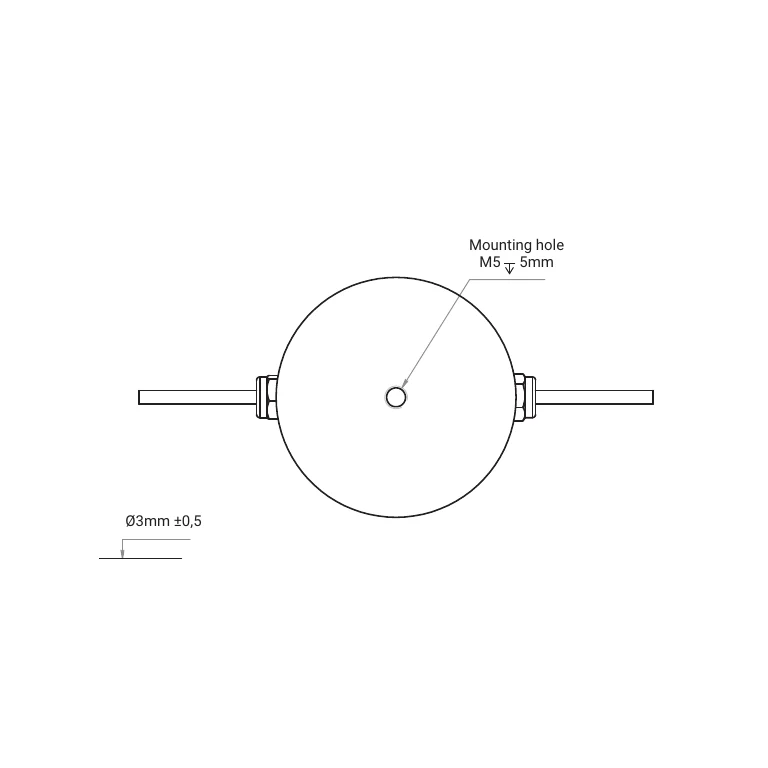
FS65ACC is designed for low-frequency acceleration measurements on flexible structures such as bridge cables. It mounts with a bolt and is read by an optical interrogator. Several sensors can be mounted at different orientations for multi-axis acquisition.
Visit the HBK site (opens in a new tab)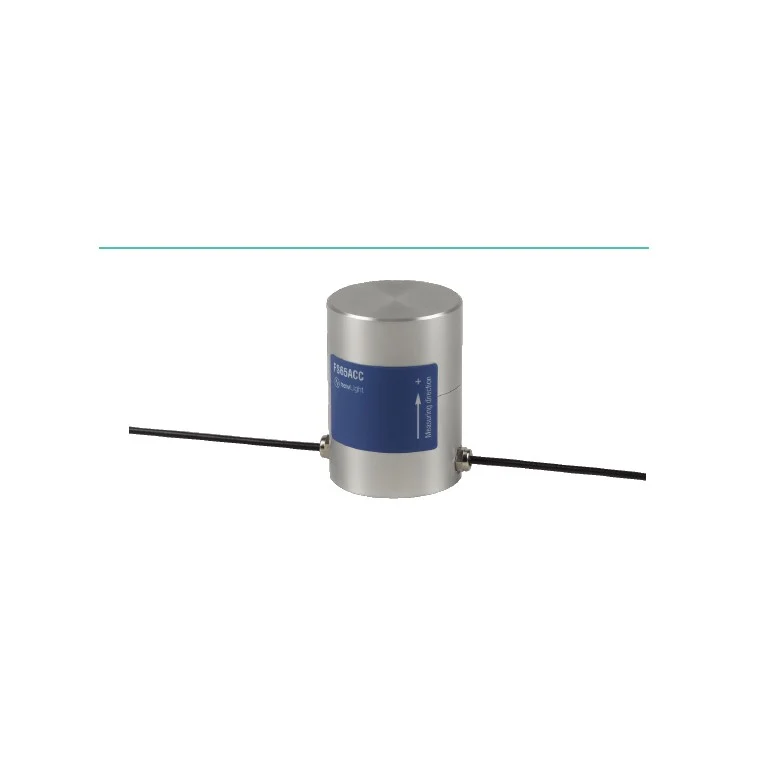
Models in the series
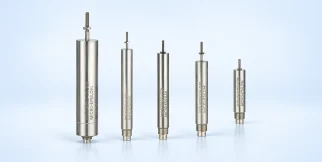
One column per model: what differs between the models of the series.
| Parameter | 1-FS65ACC-10/1530 | 1-FS65ACC-10/1540 | 1-FS65ACC-10/1550 | 1-FS65ACC-10/1560 | 1-FS65ACC-10/1570 | K-FS65ACC |
|---|---|---|---|---|---|---|
| Operating temperature | -23–85 °C | -23–85 °C | -23–85 °C | -23–85 °C | -23–85 °C | -23–85 °C |
| Number of measurement channels | 1 | 1 | 1 | 1 | 1 | 1 |
| Outputs and interfaces | Unknown | Unknown | Unknown | Unknown | Unknown | Unknown |
| Technical specification details | ±10 g indexed capacity; Uniaxial; General purpose; Center bolt mounting | ±10 g indexed capacity; Uniaxial; General purpose; Center bolt mounting | ±10 g indexed capacity; Uniaxial; General purpose; Center bolt mounting | ±10 g indexed capacity; Uniaxial; General purpose; Center bolt mounting | ±10 g indexed capacity; Uniaxial; General purpose; Center bolt mounting | ±10 g indexed capacity; Uniaxial; General purpose; Center bolt mounting |
| Frequency response | 0–300 Hz | 0–300 Hz | 0–300 Hz | 0–300 Hz | 0–300 Hz | 0–300 Hz |
| Number of axes | 1 | 1 | 1 | 1 | 1 | 1 |
| Acceleration sensitivity | 59 mV/g | 59 mV/g | 59 mV/g | 59 mV/g | 59 mV/g | 59 mV/g |
| Status | Active | Active | Active | Active | Active | Active |
The industries we serve
-
-
Aerospace
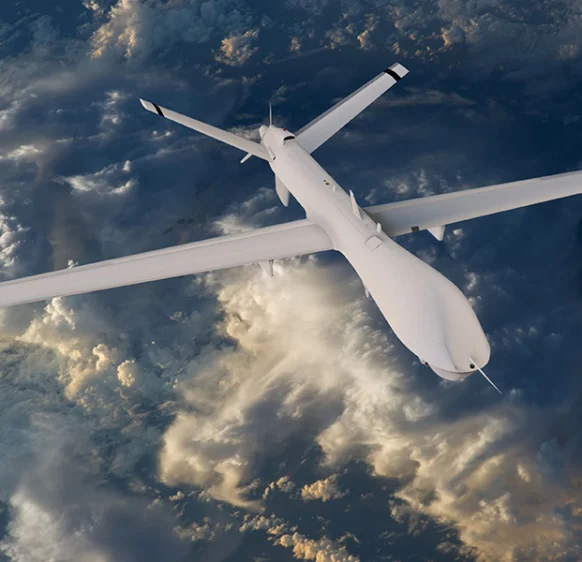
- Aircraft door-lock position detection
- Airlines & Aerospace Our balancing machines and moment weighing scales for aerospace drives ensure maximum precision, ease of use, and modular flexibility delivering reliability and performance without compromise contributing to your economic success.
- Automatic balancing machines Automatic balancing machines from Schenck are advanced solutions for precise balancing of rotating components in automated production processes. We offer systems and stations for balancing crankshafts, wheels and tires, turbochargers, electric armatures, drives, axle drive units, torque converters, drive shafts, disc-shaped rotors, as well as fans. Our systems increase productivity, ensure consistent quality, and are tailored to the needs of the automotive, energy, and industrial sectors.
-
Medical industry
-
Environment
-
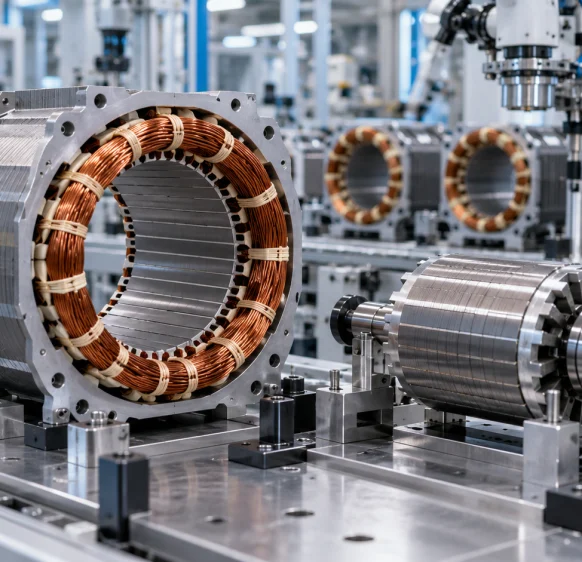
Electric motor manufacturing
-
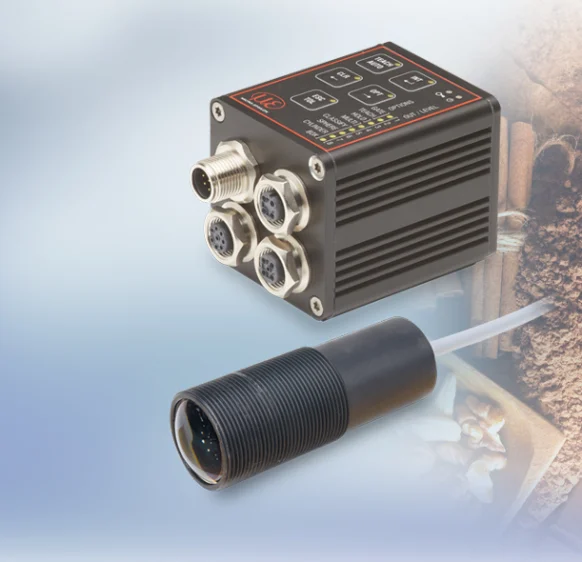
Food industry
-

Automotive industry
- Airlines & Aerospace Our balancing machines and moment weighing scales for aerospace drives ensure maximum precision, ease of use, and modular flexibility delivering reliability and performance without compromise contributing to your economic success.
- Automatic balancing machines Automatic balancing machines from Schenck are advanced solutions for precise balancing of rotating components in automated production processes. We offer systems and stations for balancing crankshafts, wheels and tires, turbochargers, electric armatures, drives, axle drive units, torque converters, drive shafts, disc-shaped rotors, as well as fans. Our systems increase productivity, ensure consistent quality, and are tailored to the needs of the automotive, energy, and industrial sectors.
- Axle Drives With our balancing machines for front and rear axle transmissions, the measured unbalance is corrected by drilling into the drive flanges of the transmissions (welding optional). We support you with our interdisciplinary expertise in the production of front and rear axle transmissions from the initial idea to the design stage through to series production.
-
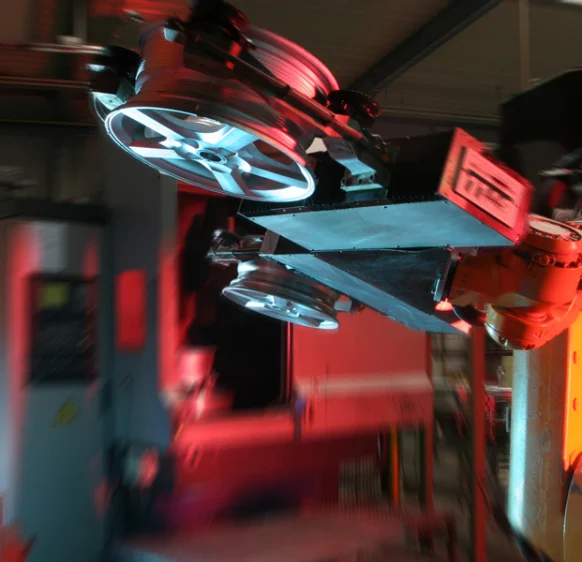
Industrial automation
-
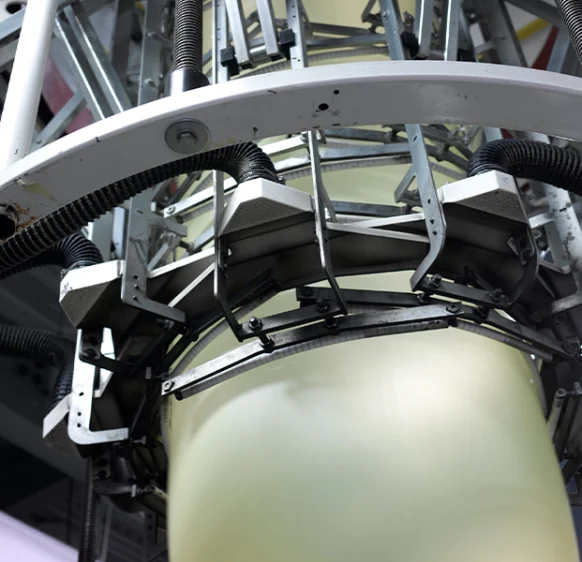
Plastics
-
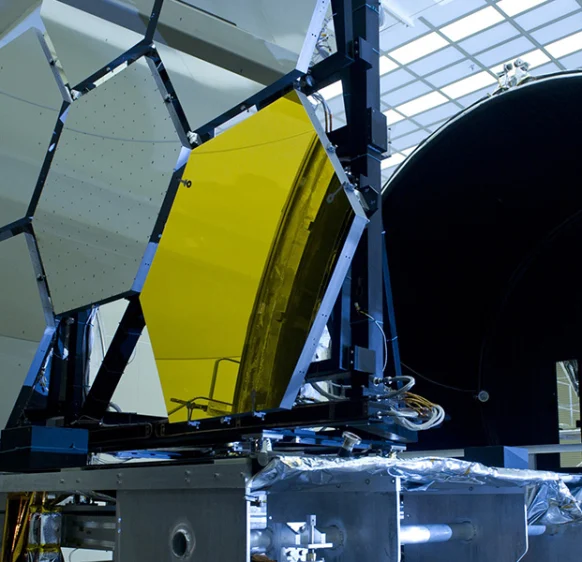
Optics
-
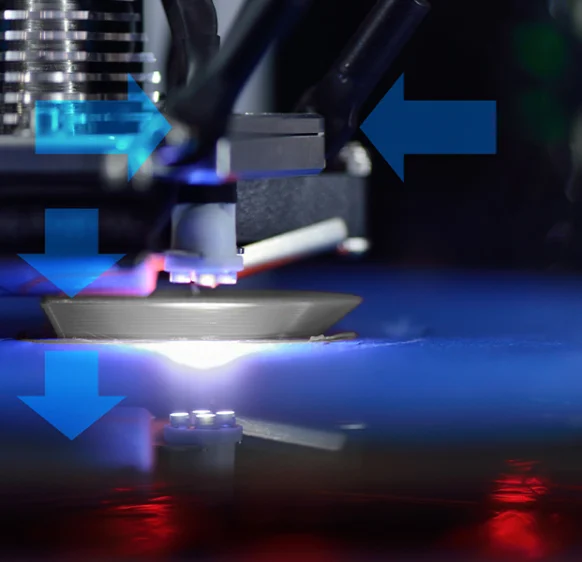
3D printing
-
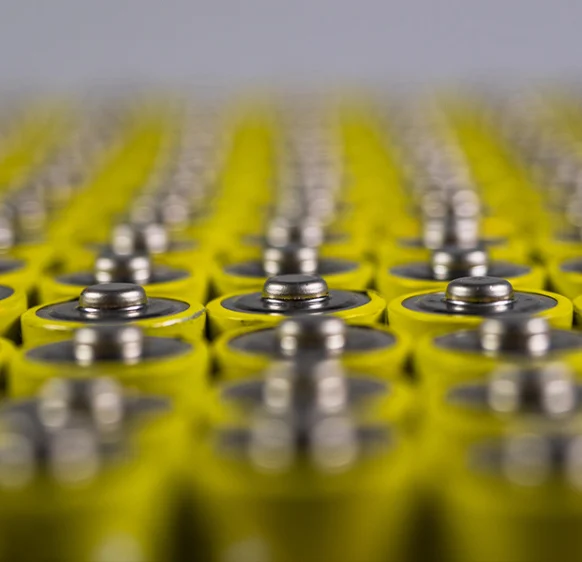
Battery manufacturing
Frequently asked questions
Answers to the most common questions about our products and services
The acceleration range is ±10 g and the specified frequency range is 0–50 Hz.
Typical sensitivity is 59 pm/g, expressed as wavelength shift per unit of acceleration.
The sensor body mounts using an M5 bolt. Align the marked sensing direction with the acceleration axis of interest.
Each sensor measures along one axis. For three axes, use three orthogonally oriented sensors and a readout setup that can acquire all three measurements.
The datasheet lists a typical temperature cross-sensitivity of 0.4 g/°C. Evaluate its contribution, especially when measuring small accelerations or frequencies near zero.
Get a quote or advice
Tell us what you need and an engineer will come back to you.
Request a quote for this product